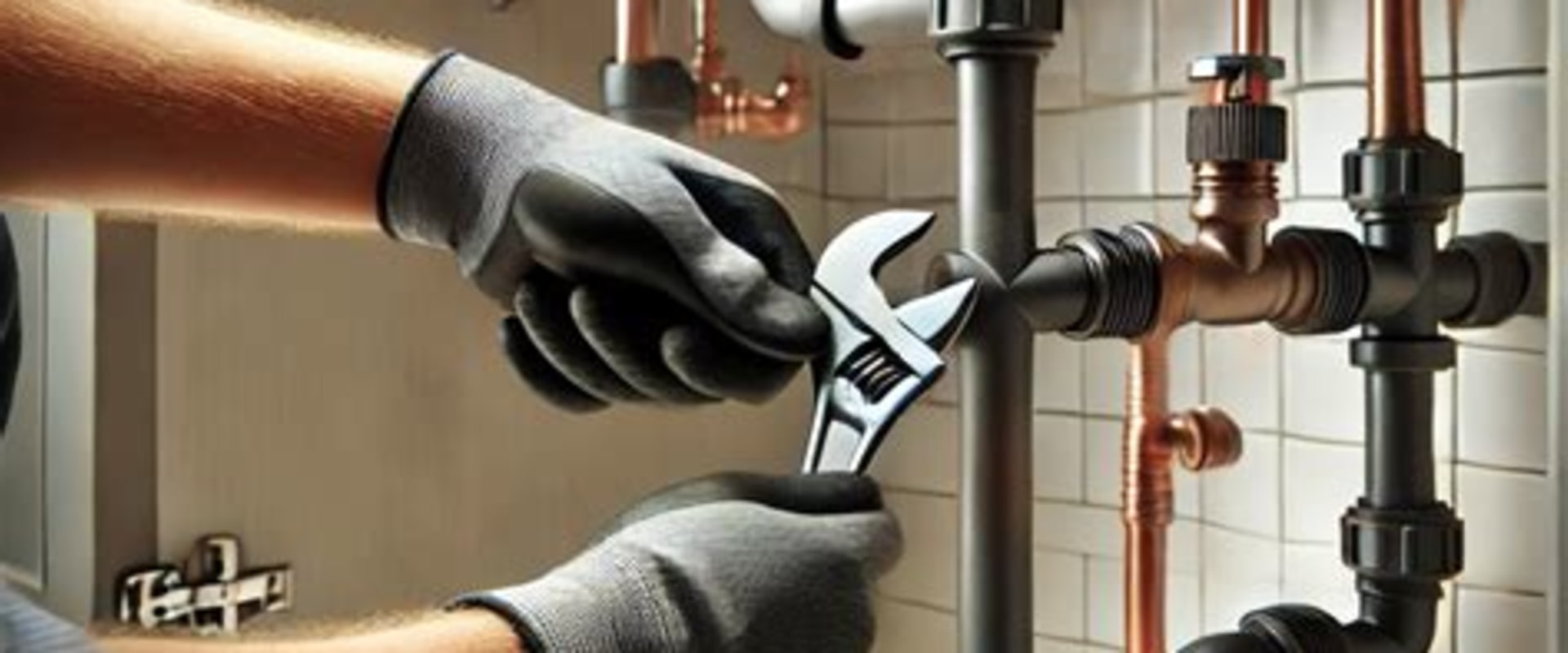
When choosing a neighborhood in Durham, many homebuyers focus on factors such as schools, safety, and proximity to amenities, but plumbing infrastructure is an equally important consideration that is often overlooked. The condition of a neighborhood’s plumbing systems—both public and private—can significantly impact daily living, maintenance costs, and long-term property value. Older neighborhoods may have aging pipes, outdated sewer lines, or inconsistent water pressure, while newer developments often feature modern systems designed for efficiency and reliability. Understanding these differences helps buyers make informed decisions that go beyond surface-level appeal.
Evaluating Water Supply and Pressure Consistency
One of the key aspects of plumbing to consider is the reliability of the water supply and the consistency of water pressure. Homes in areas with outdated infrastructure may experience fluctuations in pressure, which can affect everything from shower performance to appliance efficiency. Additionally, water quality can vary depending on the condition of pipes and the local water treatment system. Prospective homeowners should inquire about any known issues within the neighborhood and consider having a professional inspection conducted. Consulting experienced providers, such as A A Plumber Inc, can provide valuable insights into the condition of a property’s plumbing and the surrounding infrastructure.
Assessing Sewer Systems and Drainage Infrastructure
Sewer systems and drainage infrastructure are also critical factors when selecting a neighborhood. Poor drainage can lead to frequent backups, slow drains, and even flooding during heavy rainfall. In Durham, where seasonal weather patterns can bring significant precipitation, having a well-maintained drainage system is essential for preventing water-related issues. Homebuyers should look for signs of proper grading, functional storm drains, and updated sewer lines. These elements contribute to a more stable and reliable living environment, reducing the likelihood of unexpected repairs and disruptions.
Considering Long-Term Maintenance and Repair Costs
The condition of plumbing systems within a neighborhood can have a direct impact on long-term maintenance costs. Homes with outdated or poorly maintained systems may require frequent repairs, which can add up over time. Replacing old pipes, addressing leaks, and upgrading fixtures can be both time-consuming and expensive. By choosing a neighborhood with modern plumbing infrastructure or well-maintained systems, homeowners can avoid many of these issues and enjoy greater peace of mind. This proactive approach not only saves money but also enhances the overall quality of life.
Long-Term Benefits of Plumbing Awareness in Homebuying
Taking plumbing into account when choosing a neighborhood offers significant long-term benefits. Reliable water systems, efficient drainage, and well-maintained infrastructure contribute to a comfortable and hassle-free living experience. Additionally, properties in neighborhoods with strong plumbing systems tend to retain their value better, making them a sound investment. By prioritizing plumbing alongside other factors, homebuyers can ensure that their chosen neighborhood supports both their immediate needs and future goals. Ultimately, understanding the role of plumbing in neighborhood selection helps create a more informed and confident homebuying decision.